If you are running for office in Alabama, managing a political action committee, or advising a campaign on fundraising and spending, the rules governing campaign finance are detailed and the penalties for violations are real. Alabama’s Fair Campaign Practices Act, found at Code of Alabama § 17-5-1 through § 17-5-21, controls how candidates raise money, how they spend it, and how they report their financial activity to the public.
Our Alabama campaign finance lawyer at Bachus, Brom & Taylor, LLC has guided candidates, PACs, and political organizations through these requirements for more than 20 years. We know how Alabama campaign finance law works in practice, not just in theory. Contact our firm when you need a campaign finance attorney in Alabama who can keep your campaign compliant and your legal exposure minimized.
Campaign finance compliance requires more than a general understanding of election statutes. It demands familiarity with the Alabama Ethics Commission, the Secretary of State’s filing systems, and the intersection of campaign finance rules with broader ethics obligations.
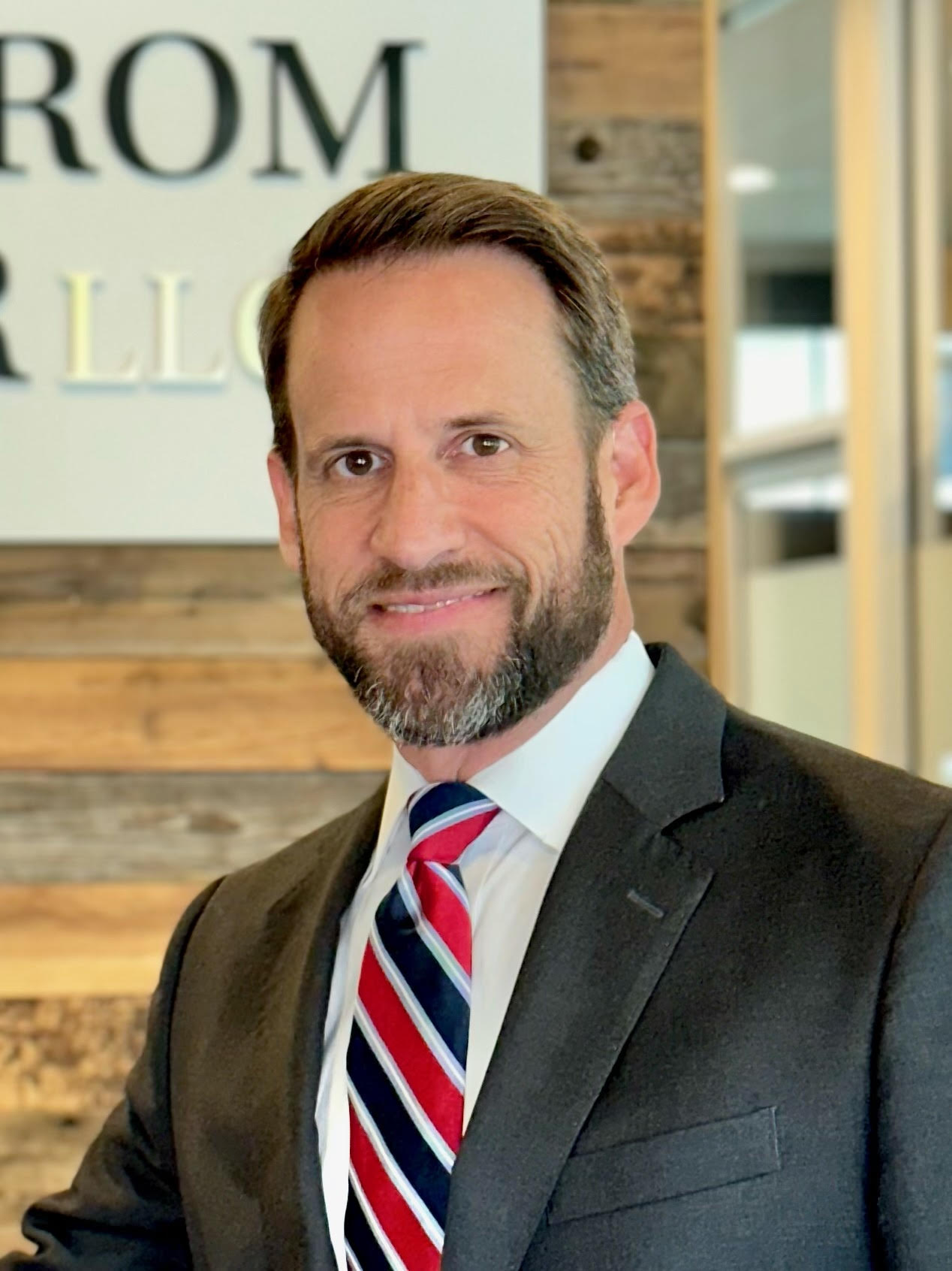
Steven M. Brom lists campaign finance and election law among his primary practice areas. He handles ethics advising, administrative law, public policy, and legislative affairs. Steven graduated from the University of Georgia in 1998 and earned his J.D. from the University of Colorado in 2001. He is admitted to practice in Alabama, Georgia, the U.S. District Courts for the Northern, Middle, and Southern Districts of Alabama, the U.S. Court of Appeals for the Eleventh Circuit, and the Supreme Court of the United States. His regular work with public officials, campaigns, and governmental entities gives him a practical understanding of what Alabama campaign finance compliance actually looks like on the ground.
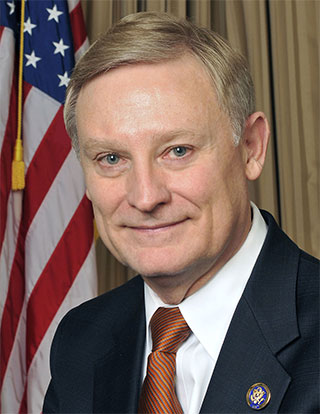
Bryan M. Taylor served as an Alabama State Senator and held senior positions in three governors’ administrations. That experience means he has been on both sides of campaign finance law. As a former elected official, he understands the reporting burdens, the fundraising realities, and the enforcement landscape from firsthand experience. He earned his J.D. from the University of Texas School of Law and is licensed to practice in Alabama and Texas.
Our firm has been serving Alabama for over two decades.
The Fair Campaign Practices Act requires every candidate in Alabama to establish a principal campaign committee and file periodic financial disclosures with the Alabama Secretary of State. These reports detail contributions received, expenditures made, and the sources and amounts of every transaction. Missing a filing deadline triggers automatic penalties, and the Secretary of State’s office has taken legal action against noncompliant campaigns. We help clients avoid those problems entirely.
When disputes arise over campaign finance violations, the stakes can include fines, criminal referrals to the Attorney General or local district attorneys, and the kind of public scrutiny that can end a political career. Our campaign finance attorneys in Alabama defend candidates and committees facing enforcement actions, and we counsel clients on how to respond to complaints filed with the Ethics Commission.
⭐⭐⭐⭐⭐ “Professional,knowledgeable, & precise. Helped me navigate a troubling legal time in my life.” – Dylan Barnett
Read more reviews on our Google Business Profile.
Alabama campaign finance law touches every candidate, every PAC, and every organization that spends money to influence an election. Our firm handles a wide range of matters under the FCPA and related statutes. These are some of the most common.
Alabama’s Fair Campaign Practices Act establishes the framework for how campaigns and political committees raise and spend money. Here is what candidates and PACs need to know.
Every candidate must organize a principal campaign committee consisting of two to five persons, or serve as their own committee, and file the required forms with the Secretary of State under § 17-5-4. This filing must happen within five days of becoming a candidate. All campaign funds must flow through a single dedicated checking account under § 17-5-6. No campaign expenditures may be made in cash.
Reporting requirements vary by election cycle. Candidates must file pre-election reports, post-election reports, and annual reports covering contributions and expenditures. The Alabama Secretary of State’s FCPA filing system tracks electronic filings, and since the 2018 election cycle, most committees must file electronically. Late filings incur automatic financial penalties that the Secretary of State can enforce through the courts.
The FCPA also regulates how candidates use excess campaign funds after an election. Under § 17-5-7, surplus funds may be returned to contributors, donated to charitable organizations, contributed to the state’s general fund, or retained for future campaign use. Using campaign funds for personal expenses violates both the FCPA and potentially the Alabama Ethics Act at § 36-25-5.
The Ethics Commission and the Secretary of State share oversight responsibilities, with the Ethics Commission holding interpretive authority over many FCPA provisions. Understanding how these two agencies interact is essential for anyone navigating campaign finance law in Alabama.
The most frequent campaign finance violation in Alabama is simply filing late. It sounds minor, but the penalties add up quickly. The Secretary of State assesses fines for each late report, and unpaid fines can result in court action. In 2018, the Secretary of State’s office initiated lawsuits against nine noncompliant committees with a combined 24 unpaid penalties. These are public proceedings. The reputational damage often exceeds the financial cost.
Every contribution to an Alabama campaign must be properly documented and disclosed. Cash contributions, in-kind contributions, and receipts from other sources each have different reporting requirements. Major contributions received close to an election must be reported within specific timeframes. We help candidates and PACs maintain accurate records and file timely major contribution reports.
Alabama law allows incorporated businesses and nonprofits to establish separate, segregated funds for political activity. These corporate PACs may solicit contributions from stockholders, employees, and their families under specific guidelines. PACs that also file with the Federal Election Commission may qualify for a waiver from duplicate state filings. Our attorneys advise organizations on structuring PACs to comply with both state and federal requirements, drawing on our understanding of business formation and organizational structure.
Campaign finance violations in Alabama frequently implicate the state’s Ethics Act, codified at Alabama Code § 36-25-1 through § 36-25-30. Public officials must file statements of economic interests, comply with gift restrictions, and avoid using their office for personal gain. A campaign finance issue can quickly become an ethics investigation. We help clients navigate both sets of rules simultaneously, recognizing that a misstep in one area can trigger scrutiny in the other.
Not all FCPA violations are civil matters. Section 17-17-35 of the Alabama Code makes certain violations of the Fair Campaign Practices Act criminal offenses. The Attorney General and local district attorneys have authority to prosecute, and the Ethics Commission can refer cases for criminal investigation. Our campaign finance lawyers in Alabama understand when a compliance issue crosses the line into potential criminal liability, and we act accordingly to protect our clients.
Campaign finance complaints are sometimes filed as political tactics rather than genuine enforcement concerns. An opponent or political adversary may file a complaint with the Ethics Commission to generate negative publicity during a campaign cycle. We have experience defending against these complaints and understand how to respond in a way that protects both the client’s legal position and their reputation. Successfully managing reputational risk during legal proceedings is something our firm takes seriously in every context.
Whether you are launching a campaign, managing a PAC, or responding to an enforcement action, having an Alabama campaign finance attorney who knows the FCPA inside and out makes a real difference. Our attorneys have the background in political law, ethics compliance, and litigation to handle whatever issue you are facing.
Contact us to schedule a consultation. We can review your situation, identify compliance gaps, and develop a strategy to protect you going forward.